Acne is more than a surface problem. Where a breakout shows up can point to everyday habits, from how often you wash your pillowcase to the products you use on your hair.
In many cases, the cause is not a complicated medical mystery. It comes down to a few lifestyle factors you can adjust without a complete routine overhaul.
The useful step is to match the breakout to its trigger, then change that habit before the next flare-up starts. Here is what acne on eight common areas often means, and what to do about it.
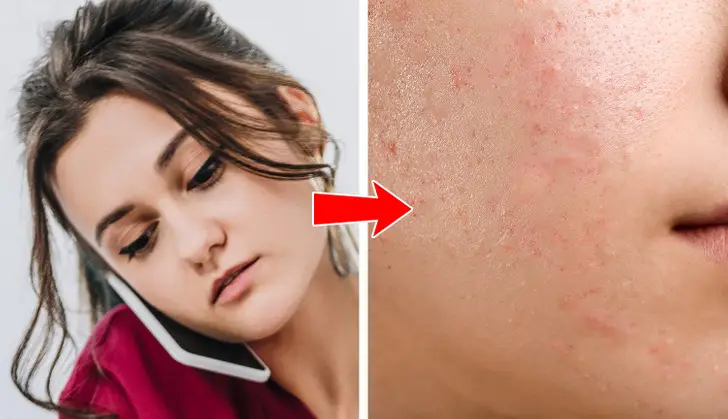
Acne on the cheeks
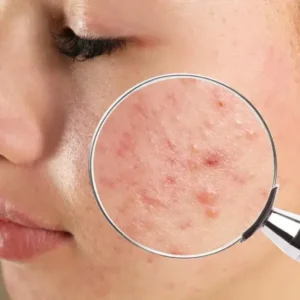
Cheek acne is one of the most common breakout patterns, and phones have made it more frequent.
You do not have to touch your face with your hands for this to happen. Holding a phone against your cheek during a call is enough. Phones collect bacteria, oil, and residue, then press all of that directly onto the skin.
Dirty pillowcases and sheets do the same thing overnight. Hours of contact with unwashed fabric can clog pores along the cheeks and jaw.
Hormones can play a role, but lifestyle habits are often the stronger trigger.
Wipe your phone before you use it, and keep it out of high-germ places such as the bathroom. Change pillowcases and sheets about once a week so clean skin is not sleeping on yesterday’s oil and bacteria.
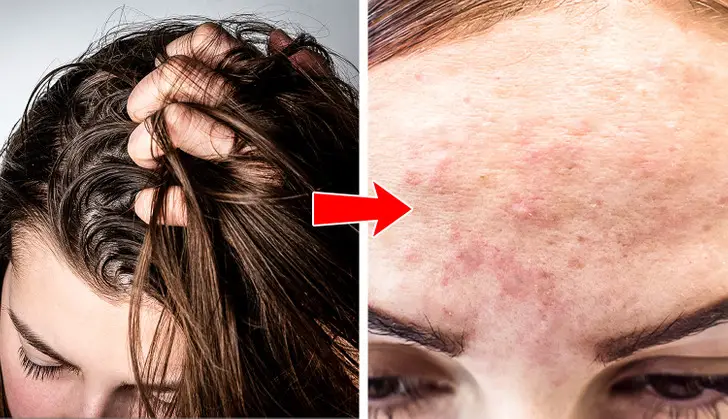
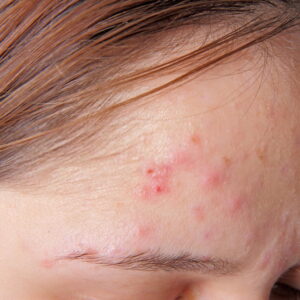
Acne on the forehead
Forehead acne usually starts with extra oil on the skin.
Hair is a frequent source. If your hair is oily, that oil transfers to the hairline and forehead and can block pores. Bangs and hair that falls forward make the contact constant.
Styling products add to the problem. Pomades, gels, and waxes often contain cocoa butter or coconut oil, which can leave the skin even oilier.
Start with a gentle cleanser matched to your skin type. If breakouts continue, change the hair routine: choose lighter products, keep them off the hairline, or skip heavy stylers on days when your forehead is already breaking out.
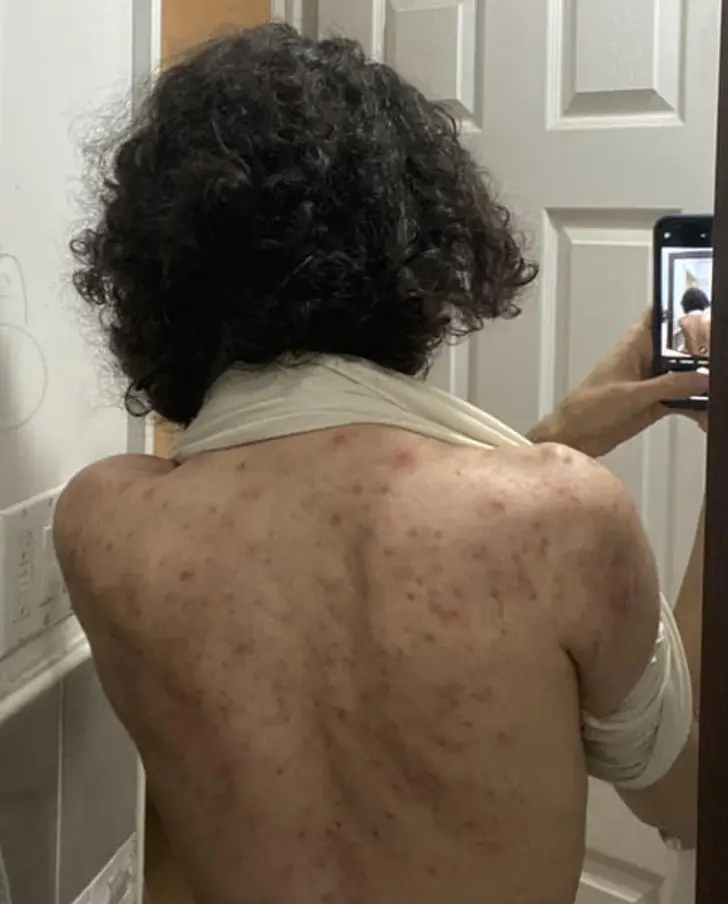
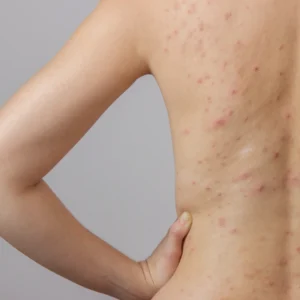
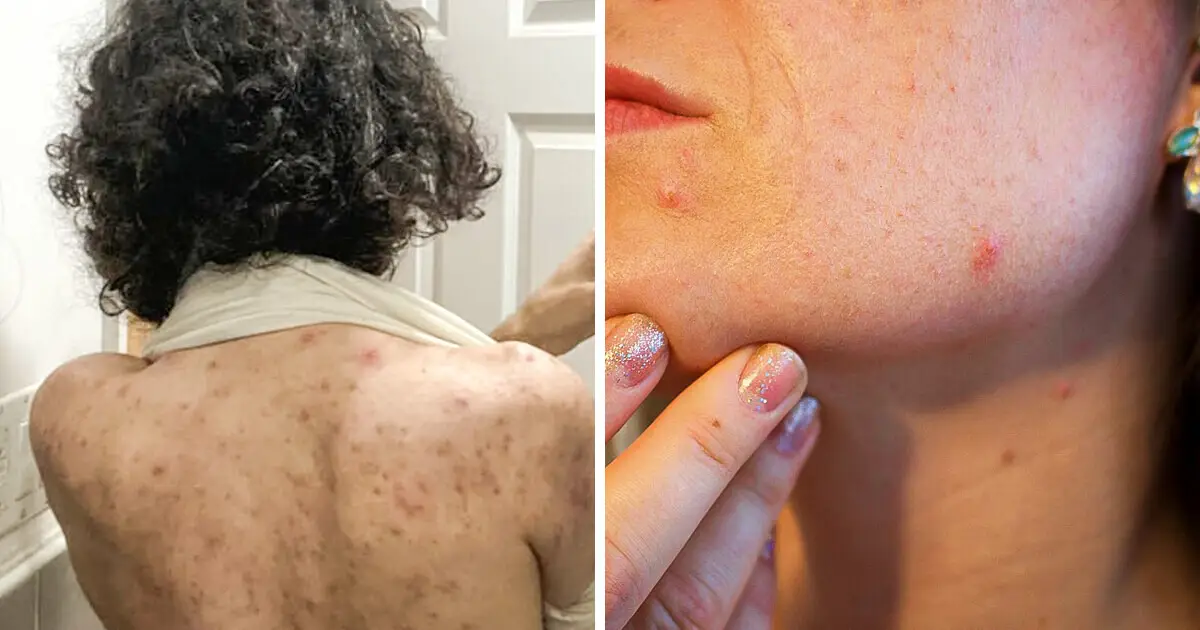
Acne on the back
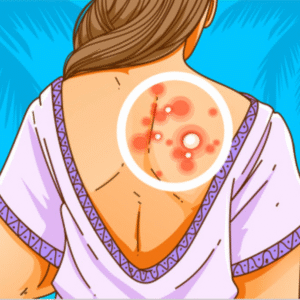
Back acne has several common triggers. Sunscreen, moisturizer, and body cream can cause a reaction or sit on the skin long enough to clog pores.
Sweat mixed with oil and buildup does the same thing, especially after a workout. Shower soon after exercise and wash the back properly instead of letting sweat dry in place.
Unwashed clothing, dirty bedding, and tight clothes make it worse. Fabric that does not breathe traps heat and friction against the skin, which can lead to irritation and new pimples.
If nothing in your routine explains the breakouts, look at diet and whether you are getting enough of the nutrients your skin needs. Stress is another factor that can show up on the back even when your products have not changed.
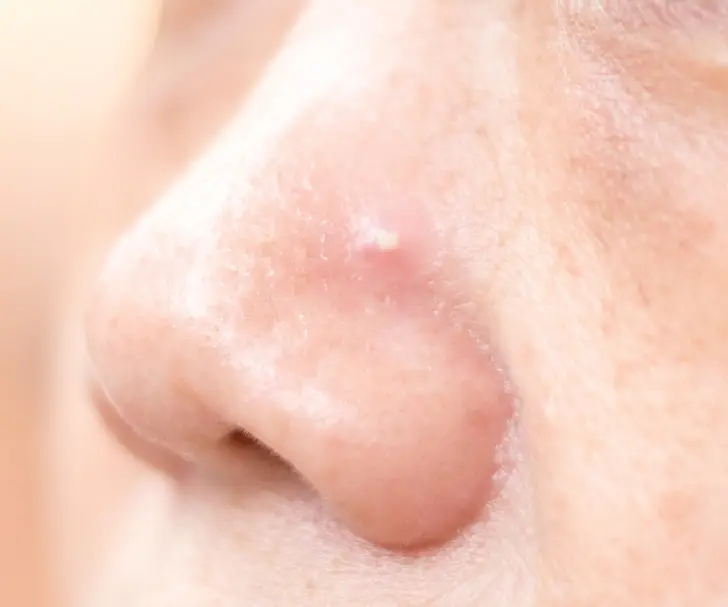
Acne on the nose
The nose breaks out easily because the pores there are often larger, so dirt and bacteria get trapped more readily.
The skin is also oilier than many other parts of the face, which makes it more susceptible to clogged pores and inflamed spots.
Diet, stress, certain medications, and underlying health issues can all set it off. The most common cause, though, is inconsistent cleansing.
Tea Tree Oil can be a gentle option in a regular routine. Products with sodium sulfacetamide and sulfur are another approach some people use to limit bacterial growth on the skin. If the acne is severe or keeps returning, a dermatologist can narrow down the cause.
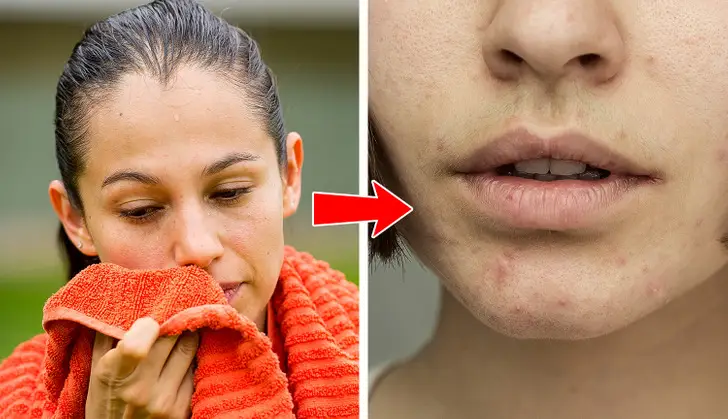
Acne around the mouth
Breakouts around the mouth often come from irritation or repeated contact. Phones, helmet straps, and musical instruments all press against the same small area of skin.
Certain cosmetics and face products can trigger it too, along with hormone shifts and genetics.
If the spots keep coming back in the same place, a dermatologist can recommend treatment that fits the pattern. Prevention still does most of the work: cleanse daily with a mild cleanser, choose makeup labeled non-comedogenic, use oil-free products, and keep your hands off your face.
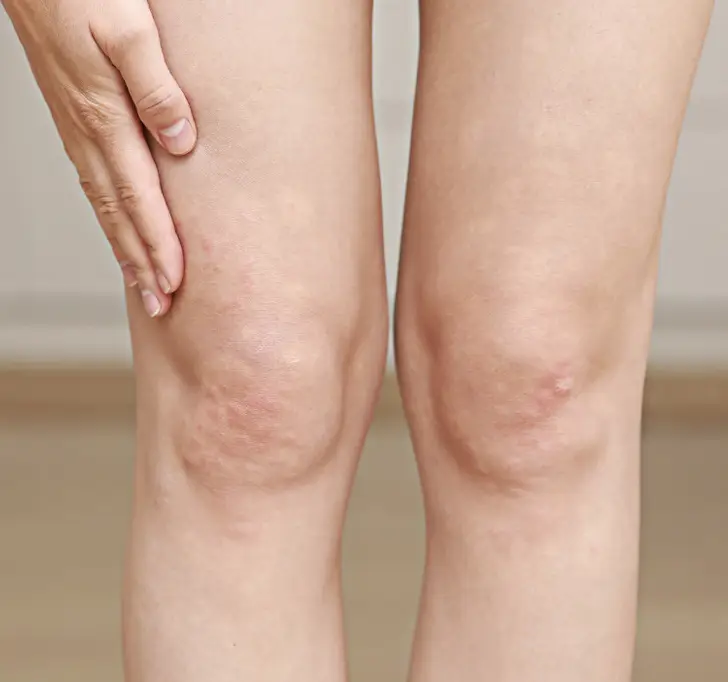
Acne on the legs
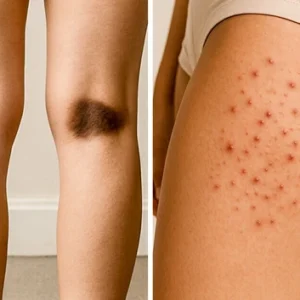
Leg acne usually starts when bacteria, sebum, and dead skin cells get trapped in a hair follicle. The pore blocks, then the surrounding skin becomes inflamed.
Friction is the typical reason. Athletic gear, tight leggings, and clothing that rubs the same spot can all set it off.
Be careful with the label, though. What looks like leg acne can be folliculitis, eczema, or keratosis pilaris. If the area itches or hurts, see a clinician for a clear diagnosis and professional treatment instead of treating the wrong condition.
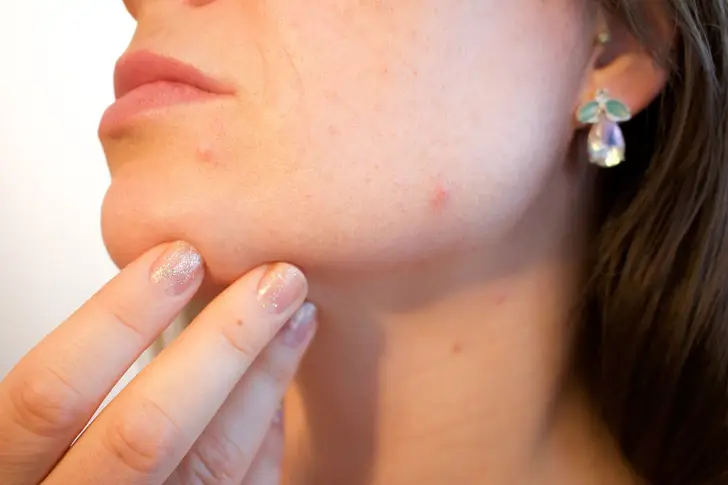
Acne on the jaw and neck
Hormones are often blamed for acne, but they are not the only cause. When androgen levels shift, they can contribute to adult breakouts, and the jaw and neck are two places those shifts tend to show.
Changes across a menstrual cycle are normal. So are changes linked to medication, including birth control. In more severe cases, hormonal acne can be tied to an underlying condition that needs a medical check.
For most people, a steady routine is enough: non-comedogenic cleansers, a moisturizer that does not clog pores, and a treatment aimed at acne. Daily sun protection matters here too. The right sunscreen supports the routine instead of working against it.

Acne on the shoulders
Shoulder acne usually begins when extra sebum, dead skin, or other debris blocks the pores.
A few simple habits reduce new flare-ups. Drink enough water through the day. Use a moisturizer with sun protection, especially if you are already treating acne and your skin barrier is under stress.
If straps, collars, or backpacks rub the same spot, switch to loose, breathable clothes. Less friction means fewer clogged pores along the shoulders.
Skin often sends signals before a problem becomes obvious. Breakouts by area are one of those signals. Treat the habit behind the spot, and the skin has a better chance of settling.