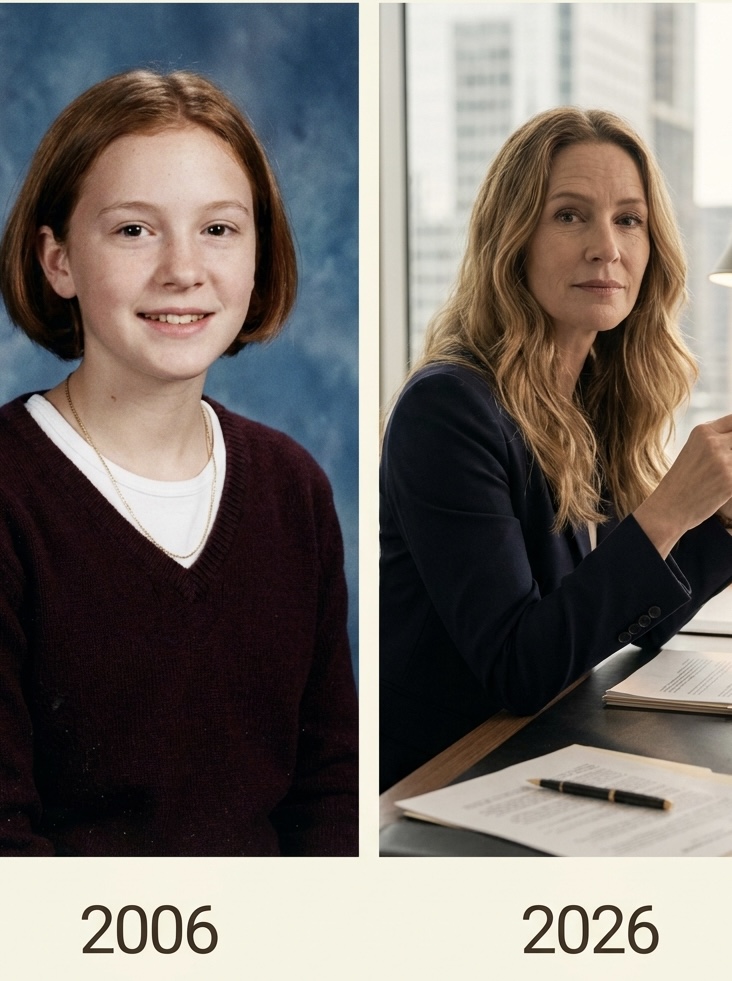
He paused again, lowering his eyes. Then, he looked up directly at me. “Claire,” he said.
My name echoed through the auditorium. “I’m genuinely sorry. Not because I need something from you or it’s convenient.
But because you didn’t deserve that. You deserved respect. I was wrong.”
The apology didn’t feel rehearsed.
It felt raw. “I have a young daughter,” he said. “She’s brave and kind.
When I think about someone treating her the way I treated Claire, it makes me sick. That’s what made me fully understand what I had done.”
Murmurs spread through the parents in the room. “I’m not here just to confess,” he continued.
“I’m here to offer something. If any student here is struggling with being bullied, or if you know you’ve been a bully and you don’t know how to stop, I want to help. I don’t want another kid carrying the kind of damage I caused.”
Then he looked at me again.
“I can’t undo the past. But I can choose who I am from this moment forward. And Claire, thank you for giving me the chance to make this right.”
The auditorium erupted into applause.
I hadn’t expected that twist. The whole thing suddenly felt bigger than both of us. Mrs.
Dalton returned to the stage, clearly moved. “Thank you, Mark. That took courage.”
It did.
As students filed out, several approached him. A teenage boy lingered near the stage, hesitant. Mark knelt and spoke quietly with him.
I couldn’t hear the words, but I saw that the interaction was genuine. I waited until the crowd thinned before approaching him. “You did it,” I said.
He let out a shaky breath. “I almost didn’t.”
“I could tell.”
“When I paused up there, I thought about walking off. Then I saw you standing there with your arms crossed, and I realized I’d already spent 20 years protecting the wrong image.”
His eyes filled.
“I meant what I said about mentoring,” he added. “If the school will have me, I’ll show up. Every week if they want.
I don’t want my daughter growing up in the same kind of silence I did.”
I studied him. The old Mark would’ve made excuses or deflected. But this one had just dismantled himself publicly for his child.
“You fulfilled the condition. The funds will be transferred to the hospital within the hour. But I need you to return to the bank with me,” I said.
His brows lifted. “Now?”
“Yes, please. I’ve been reviewing your financial history more closely.
Some of your debt isn’t from recklessness. It’s medical bills and failed contracts from clients who didn’t pay you.”
He nodded. “I tried to keep the company afloat.”
“You made mistakes,” I said.
“But I can help you with a restructuring plan. We’ll consolidate your high-interest balances into one manageable payment. I’ll personally oversee your financial rehabilitation.
If you follow this plan for a year, your credit score will recover significantly.”
He stared at me. “For Lily,” I said. Then I added, “And because I believe in accountability followed by growth.”
His composure finally broke.
Tears spilled down his face. “I don’t deserve this,” he said in a strained voice. “Maybe not before, but now you do,” I replied softly.
“Especially for your daughter.”
“May I?” he asked. I understood what he meant. I nodded.
We hugged. It wasn’t the kind of hug that erased the past, but the type that acknowledged it. When he pulled back, his shoulders looked lighter.
“I won’t waste this,” he said firmly. “I know,” I replied. And as we left the school together, I felt like a woman who’d chosen what to do with her power.
And for the first time in two decades, the memory of that incident didn’t cause me distress. It gave me closure. Was the main character right or wrong?
Let’s discuss it in the Facebook comments.