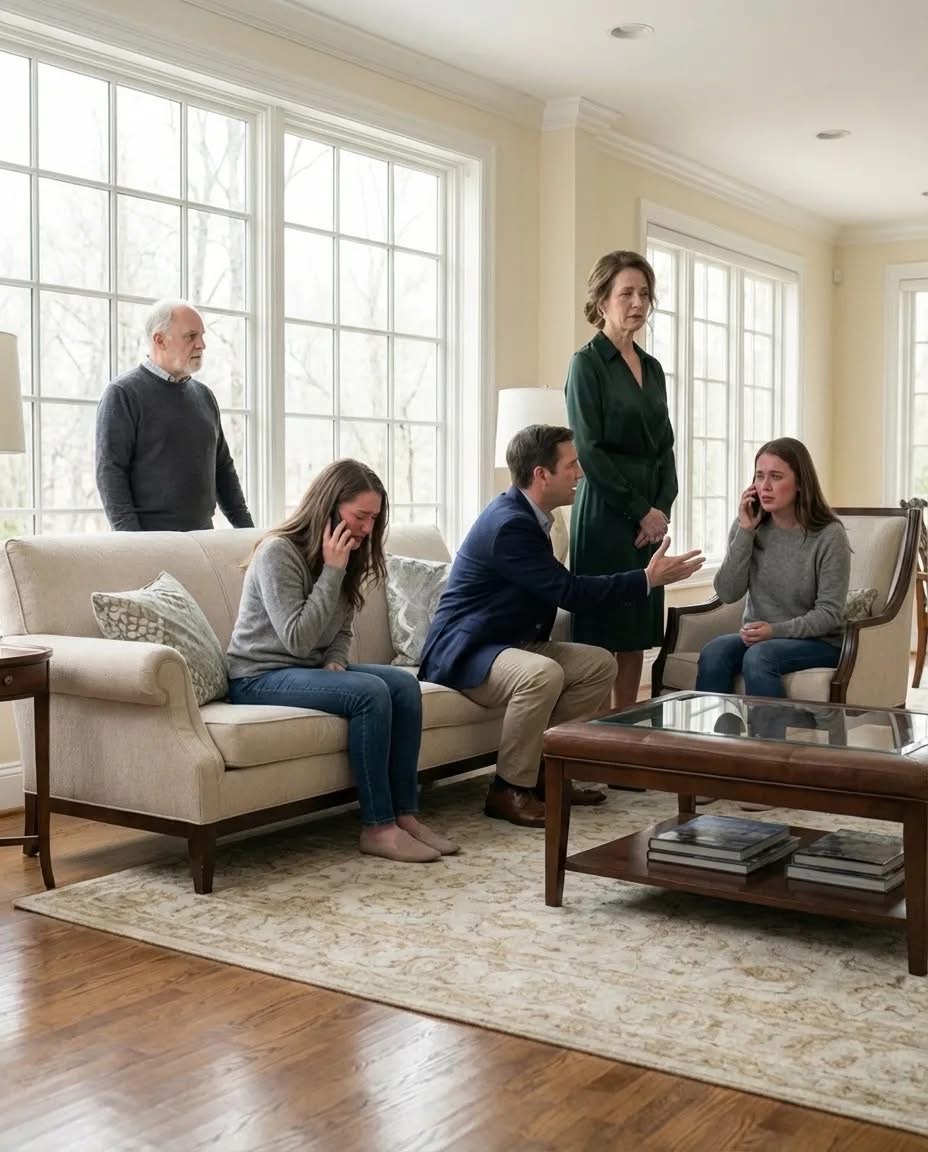
Marlene softened. “Sophia,” she said, “do you want to say anything else?”
I thought about it.
About every canceled invitation, every “later,” every time I drove home with gifts and sat alone. About the way my mother could call me “my love” in a text while raising a glass to my absence. Then I said one sentence, quietly, for myself:
No one had a response to that.
Thirty days later, they moved out. Chloe posted vague quotes online about “toxic people.” My mother tried to call, then tried to guilt, then tried to bargain. But the house—my grandfather’s final message—kept its truth solid as stone.
I renovated the guest room into an office. I kept the dining table, not for them, but for myself. And on the next Christmas, I invited people who didn’t need me to shrink so they could feel big.
The lesson Grandpa left me wasn’t about property. It was about worth:
If someone can celebrate your absence, let them. Then build a life where your presence is a gift, not a burden.
They said it was better without Sophia. So I gave them exactly what they wanted. And for the first time, my Christmas was peaceful.