Her voice wavered for a second. Then steadied.
“The house belongs to Elena. The money belongs to Elena. She has earned it — though nothing could ever truly repay what she has given.”
She leaned closer to the camera.
“If anyone tries to take this from her — if anyone presents a different will — know that it is not mine.”
“This is my final decision.”
The screen went black.
I was holding my breath. I let it out slowly.
He showed me more. Margaret’s journals — years of careful documentation. Dates. Times. Who visited. Who called. Who didn’t. Broken promises. Missed holidays. Notes about requests for money that came without offers of help.
My name on nearly every page. Elena stayed. Elena handled it.
Signed statements from two hospice nurses: daughter-in-law provided all care, no other relatives present during night hours.
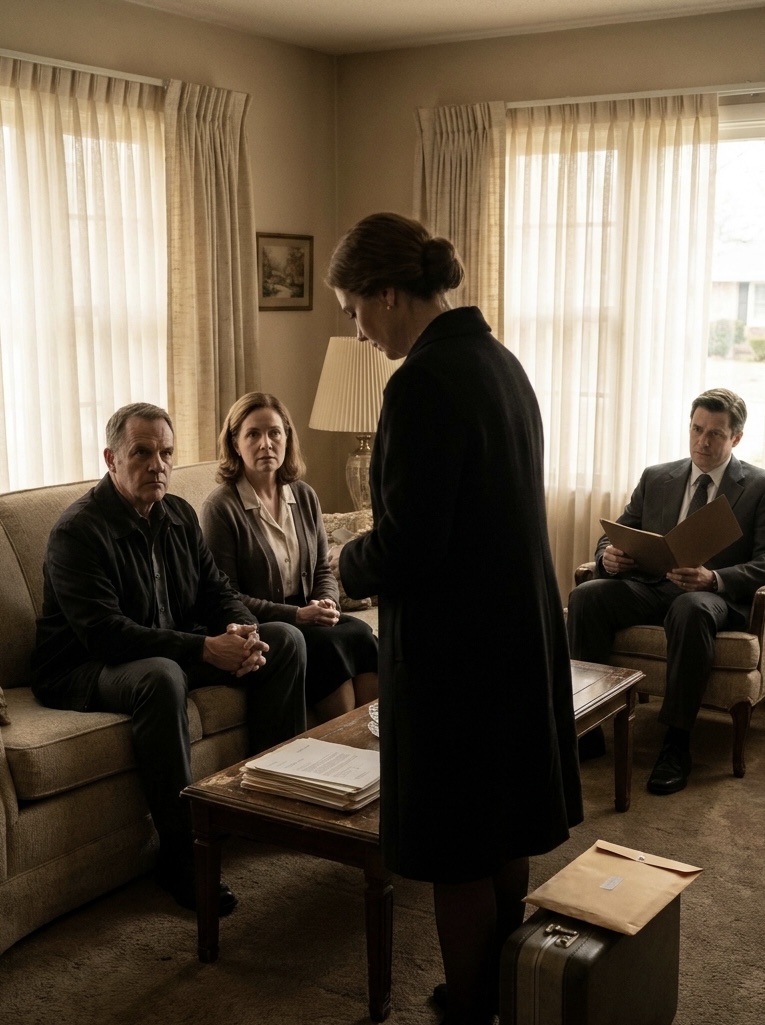
“She was worried you wouldn’t fight,” Mr. Harris said. “She told me you were the kind of person who would walk away rather than make a scene. So she made sure you wouldn’t have to.”
I thought about all the nights she had apologized for needing help.
She hadn’t owed me money or a house. But she had owed me the truth. And she had given it to me — sealed inside an envelope — waiting for the moment I would finally be ready.
“What happens now?” I asked.
“Now,” he said, “you decide what to do with the truth.”
I went to the police station the next morning.
Neutral walls. Fluorescent lights. The faint smell of disinfectant that reminded me of hospital corridors.
“What kind of report?” the officer asked.
“Forgery,” I said. “Fraud. Elder abuse.”
The words felt strange — heavier than anything I had spoken aloud before.
The detective who came in was about my age. She listened without interrupting. When I finished, she said:
“This is not a civil family dispute. Presenting a forged will and using it to force someone out of their home constitutes serious criminal behavior. If Margaret was vulnerable at the time they created this document, that also opens the door to elder abuse charges.”
Naming something correctly has power. Hearing a stranger call it what it was cut through my doubt cleanly.
Three days later, I drove to the house. Parked across the street. Far enough away no one would notice me.
Ryan’s car in the driveway. Lisa’s behind it. Boxes stacked near the entrance, some labeled in Lisa’s careful handwriting. Christmas decorations. Kitchen. My stomach tightened.
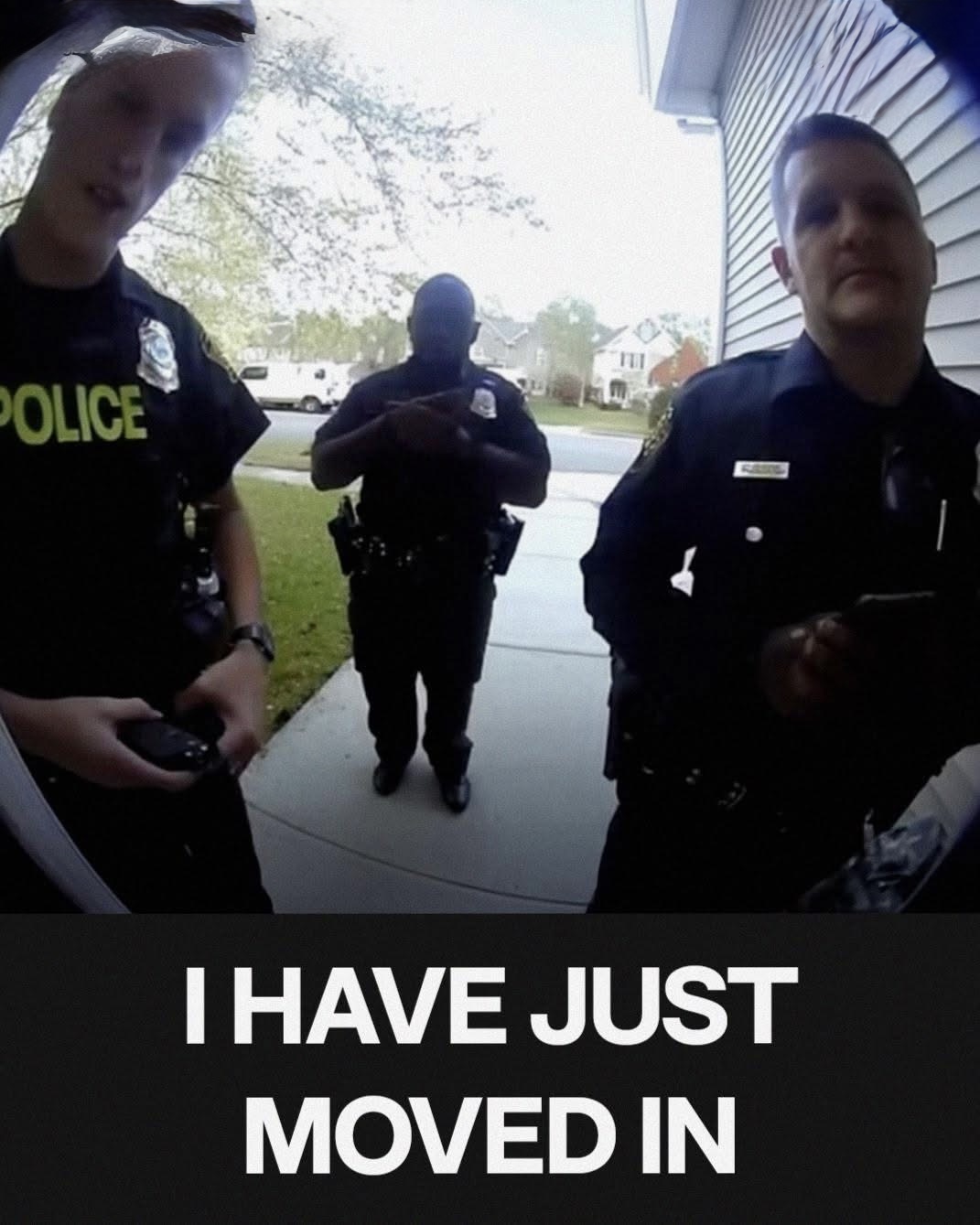
A police cruiser turned the corner, lights off, and rolled to a stop in front of the house. Another followed.
Officers walked up the path and knocked. Ryan appeared in the doorway, posture confident and relaxed — the posture of a man who believed everything was already settled.
I watched his expression shift as the officers spoke. Confusion. Then irritation. Then something sharper.
Then the handcuffs came out.
The moment was quieter than I had imagined. No shouting. No struggle. Just the soft click of metal closing around wrists that had been so sure of themselves days before.
Ryan’s mouth fell open. Lisa’s face went pale. She looked around wildly for someone to intervene.
There was no one.
As they were led down the steps, Ryan’s eyes scanned the street, frantic. They didn’t land on me. I stayed still.
When the patrol cars pulled away, the street settled back into silence.
The court process moved slowly. The forged will. The recorded video. The journals. The hospice statements. Evidence doesn’t argue. It waits.
When the plea negotiations began, Mr. Harris called me. “They’ve seen what we have. They’re prepared to plead guilty to forgery and fraud.”
Guilty. Not misunderstood. Not misrepresented. Guilty.
The day the pleas were entered, I sat in the back of the courtroom. Ryan looked smaller than I remembered. Lisa sat beside him, hands clasped so tightly her knuckles were white.
“How do you plead?”
“Guilty.”
The word echoed softly, then disappeared.
The will was executed without delay. The house transferred into my name. The funds released according to Margaret’s instructions.
Ryan and Lisa asked to speak to me once. They apologized in the way people do when they’ve run out of options. Pressure. Fear. Mistakes.
When they finished, I said, “I hear you. But I’m not ready to forgive.”
Not as punishment. As truth.
Forgiveness isn’t an obligation. It’s a choice that requires time and safety.
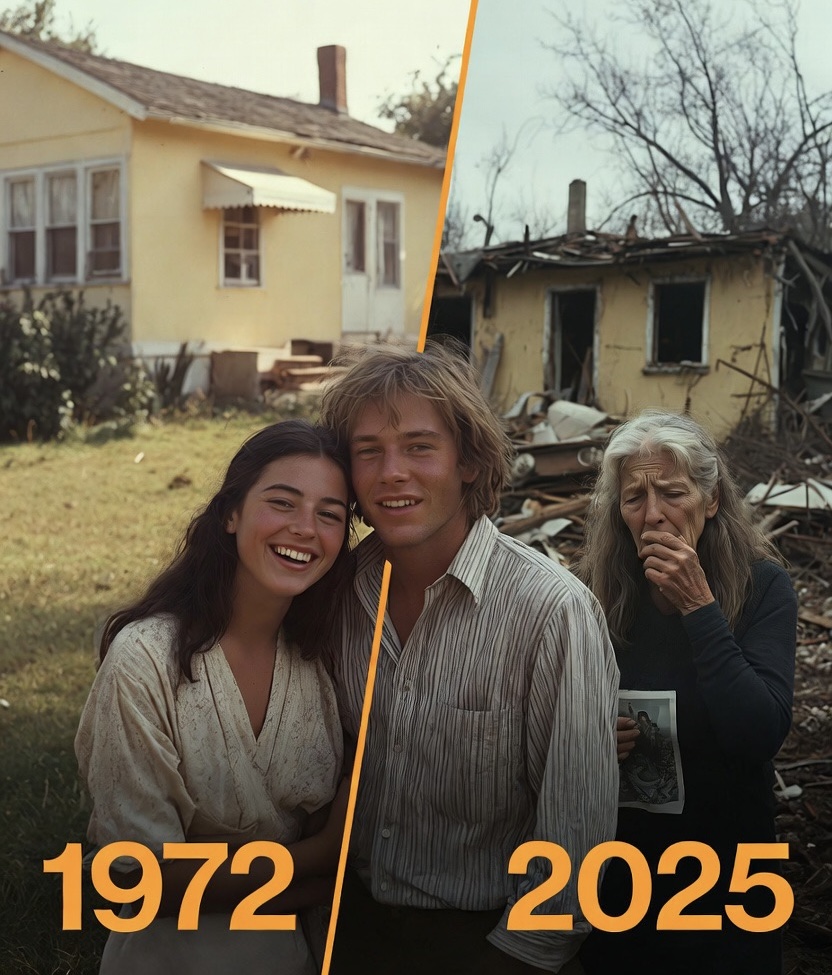
I moved back into the house on a quiet morning. Opened windows. Let light spill across floors that had once been treated like inventory. Returned photographs to shelves. Placed Margaret’s favorite mug back in the kitchen cabinet.
That night, I slept in my old room and woke to a silence that felt earned.
The house was no longer a symbol of loss. It was a place where truth had finally been allowed to stand.
Margaret had seen me — not just as the daughter-in-law who stayed, not just as the caregiver who made her life possible, but as a person who needed protecting.
She had known I would not fight loudly. So she had done it for me.
Everything that had been taken had been returned. Not by force. By fact.
I didn’t feel triumphant.
I felt settled.
The past had been acknowledged. The future was finally mine to shape.