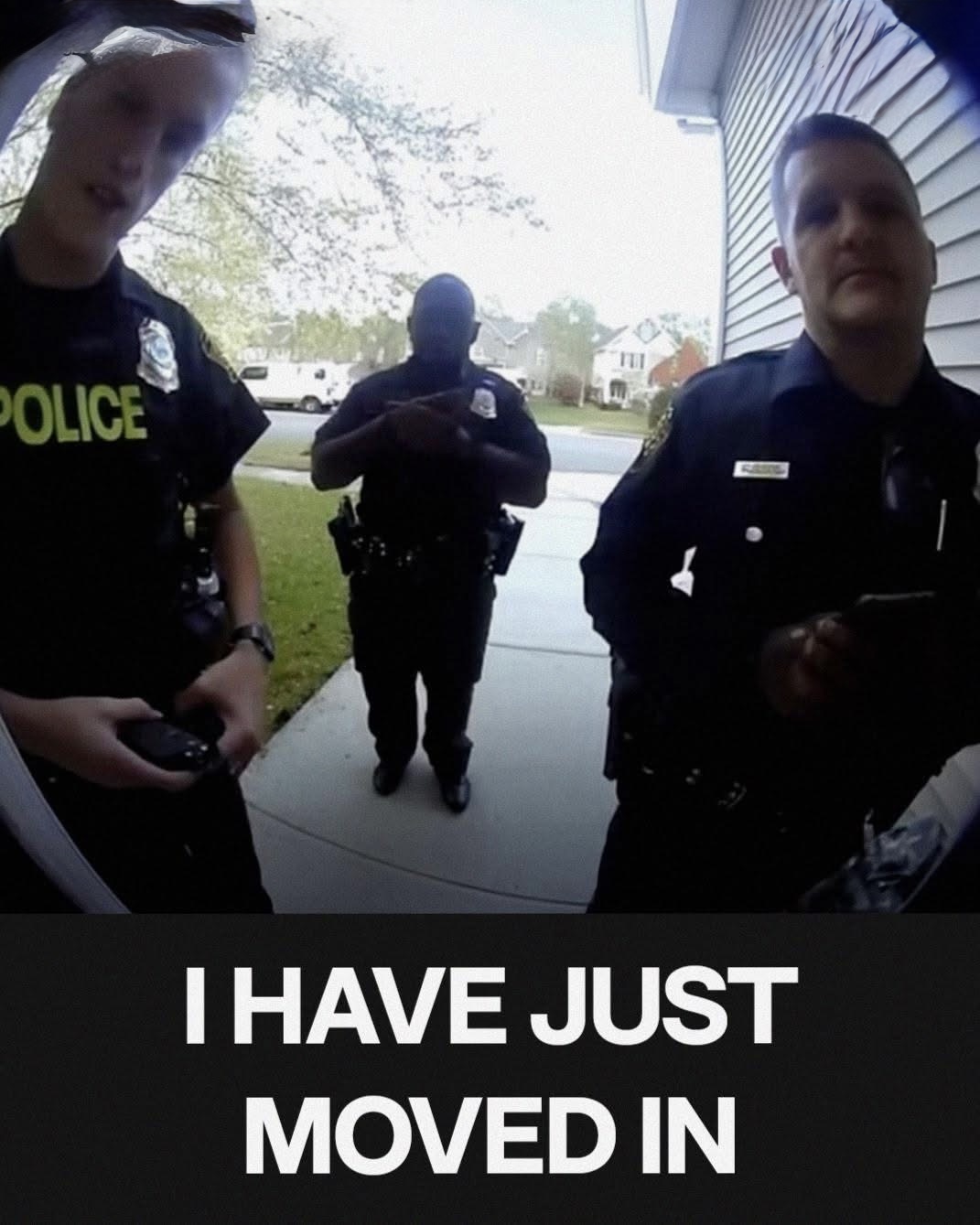
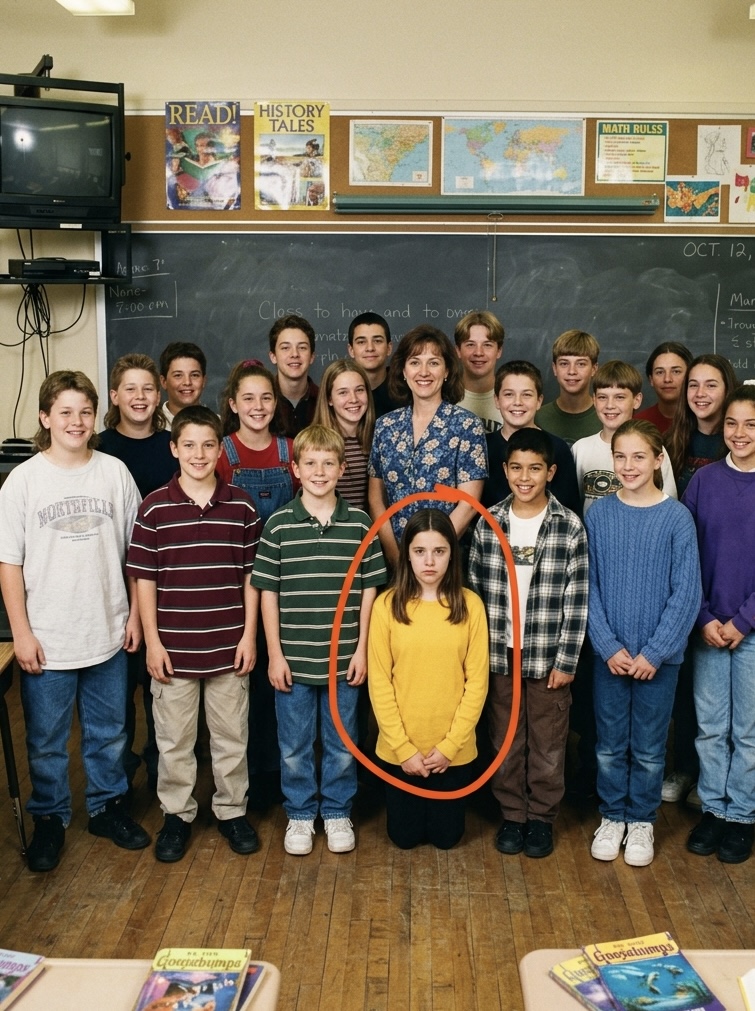
I came back to my old school with twelve tiny brown paper bags and memories I had never managed to outgrow. Years ago, a few classmates fed me without making me feel small. Others tried to break me. This time, everyone would learn exactly what I had carried with me.
I was thirty-seven, sitting in a rental car across from my old high school, wearing a blazer that cost more than my mother used to make in a week.
Still, my hands shook on the steering wheel.
“You run a company with four hundred employees,” I muttered. “You can walk into a cafeteria.”
Then I saw the side door.
Same rusted handle, same brick wall, same long window where I used to check if anyone was looking before slipping inside.
***
For a second, I was twelve again, wearing worn shoes and the same gray hoodie. No lunch, no money, and no way to make the hunger quiet.
I almost turned the car around.
Then I saw a little girl sitting alone near the cafeteria window with no tray in front of her.
Her eyes were fixed on everyone else’s food.
I knew that look.
“Not again,” I whispered.
I opened the car door and reached for the bags.
Back then, I was quiet Mara, the girl teachers called “soft” because “hungry” made people uncomfortable.
My dad left when I was ten. My mom worked two jobs after that, and some nights, she came home with red eyes and said, “Baby, I’m so sorry,” like sorry could be boiled into soup.
At school, I hid during lunch.
The bathroom was safest. The library was warmer. The cafeteria was for days when my stomach hurt too much to pretend.
But some people noticed.
Dylan noticed first.
One Tuesday, he slid across from me and pushed over half a sandwich.
“My mom packed too much,” he said.
I stared at it. “It’s half a sandwich.”
“Yeah,” he said, shrugging. “She’s like that.”
I almost smiled. It was turkey with mustard, cut crooked.
I remember because hunger remembers everything.
Tessa had cookies.
Every time I walked past, she would wrinkle her nose and say, “Ugh, I hate oatmeal raisins.”
Then she left them on her tray and walked away.
One day, I said, “You bring them every Thursday.”
She looked me dead in the eye. “I keep hoping they’ll get better.”
Nina pushed apples into my hoodie pocket when teachers turned around. Caleb sat beside me when the bullies, Brett and Logan, started laughing. Sofia traded milk cartons with me even though I never had anything to trade.
They never made it obvious.
That was the kindness.
They let me eat without making me feel pitied.
But Brett did the opposite.
He once dropped a roll at my feet in seventh grade, leaned back in his chair, and said, “Fetch, girl.”
Everyone looked.
My stomach cramped so badly that I had to press one hand against my hoodie.
Brett grinned. “Come on, Mara. It’s free food.”
“Pick it up yourself,” I said.
His smile slipped. I stepped over the roll and walked out, hungry but upright.
At eighteen, I left town with a scholarship, two garbage bags of clothes, and the belief that if hunger had not broken me, nothing in college would.
I worked dining halls, washed pans until midnight, studied with wet shoes, and learned food service from the dish pit up.
Years later, my company supplied school lunches across four states.
And the girl who once counted crackers in her sleeve now signed contracts that fed thousands of kids before noon.
That was why the school called me.
The district needed a new meal provider. I agreed to present a no-shame lunch program at the public board meeting.
But those brown bags were mine.
Dr. Haines met me at the front office.
“Mara,” he said, shaking my hand. “We’re honored you’re here.”
“It’s like coming home,” I said.
“The board is excited. A few parents are here too.”
“And the kids?” I asked.
He blinked. “I’m sorry?”
I nodded toward the cafeteria. “Are the kids excited about the program? Do children here still get embarrassed when they can’t pay for lunch?”
His smile thinned.
Before he could answer, Mrs. Alvarez, the school counselor, stepped from behind the counter.
“Mara? Is that really you?”
My throat tightened. “Hi, Mrs. Alvarez. It’s good to see you.”
She covered her mouth. “Look at you, my dear!”
I handed her one of the brown bags.
She looked down. “What is this?”
Her eyes filled. “You still hate attention.”
“I do,” I said. “I just learned to invoice for it.”
She laughed, then wiped her cheek.
The meeting was in the cafeteria. Of course it was.
Parents filled folding chairs, teachers lined the walls, and board members sat up front.
I found Dylan near the back, tugging at a button-down shirt like it was choking him.
He read my name on the banner and froze.
I smiled. “Turkey sandwich. Mustard. Crooked crusts.”
He blinked. “You remember that?”
“I remember being hungry. Of course I remember the hand that fed me, Dylan.”
“Mara, I was just a kid.”
“Exactly, and that’s why I’ll never forget it.”
Nina arrived with her teenage son.
“Did I do something?” she whispered when I hugged her.
“Yes,” I said. “You put apples in my pocket like you were smuggling diamonds.”
She laughed into her hand. “I thought I was so sneaky.”
“You were terrible at it.”
Caleb was there too, now a math teacher. Sofia came from the community center. Tessa could not come.
Her daughter, Lily, came instead, clutching the invitation.
“My mom passed three years ago,” Lily said softly. “I almost didn’t come. I didn’t know why you invited me.”
I swallowed. “Your mother used to tell me she hated oatmeal cookies.”
Lily’s face changed.
“I know.”
I gave her a brown paper bag too. She pressed it to her chest like it was breakable.
Then Brett walked in, wearing a navy suit and the same smile he wore before ruining someone’s day.
Brett didn’t recognize me. That almost made me laugh.
He stopped beside Dr. Haines and clapped him on the shoulder. “Big day. Let’s hope we can keep this practical.”
“Practical?” I asked.
Brett turned. “Sorry, have we met?”
His smile stiffened.
Dr. Haines cleared his throat. “Mara, this is Brett, board member and owner of T’s Fresh Vending. His company also submitted a proposal for school meals.”
“Of course,” I said.
Brett’s eyes sharpened. “You went here? You look familiar.”
“I did.”
“Huh.” He looked me over. “Good for you.”
Three words, in his same old tone.
Then the meeting began.
Dr. Haines introduced me with charts about costs, grants, meals, and delivery.
I let him talk.
Adults trusted charts. Hungry kids trusted people to feed them nourishing meals.
When he finished, I stepped to the microphone with one brown bag in my hand.
“I’m not here because I like school cafeterias,” I said.
A few people laughed.
“I hated this one. I hated the bleach smell, the milk cartons, and pizza Fridays because most weeks, I couldn’t afford any of it.”
The room quieted.
Brett shifted in his chair.
“When I went here, my mom worked nonstop after my dad left. Some nights, we didn’t have enough to eat. But when there was food, she made sure I got the bigger half. At school, I hid during lunch because hunger hurts, but being seen hungry can feel worse.”
Mrs. Alvarez wiped her cheek.
“I survived because a few kids noticed without making a show of it.”
I looked at Dylan. “Half a sandwich.”
His jaw tightened.
I looked at Lily. “Cookies your mother supposedly hated.”
Lily pressed her bag to her chest.
“Nina gave me apples. Sofia gave me milk when I had nothing to trade. Caleb sat beside me when Brett and Logan wanted me alone.”
Caleb looked up.
“And Mrs. Alvarez added cafeteria credit to my account and never asked me to thank her.”
Mrs. Alvarez whispered, “Oh, Mara.”
Brett leaned into his microphone. “That’s touching, but we have to be careful. Free meals sound kind, but we don’t want to teach dependency.”
A mother in the second row sat forward. “Dependency?”
Brett smiled at her like she was a child. “Responsibility matters.”
I turned to him. “A sandwich never made me dependent. It made me strong enough to finish math class.”
Someone clapped once.
Brett’s smile thinned. “My proposal is about practical options.”
I picked up his folder. “Your proposal replaces hot lunches with vending kiosks and charges students per item.”
“Healthy grab-and-go options,” he said.
“For profit.”
“Mine is too,” I said. “The difference is that I remember who gets hurt when adults turn lunch into a lesson.”