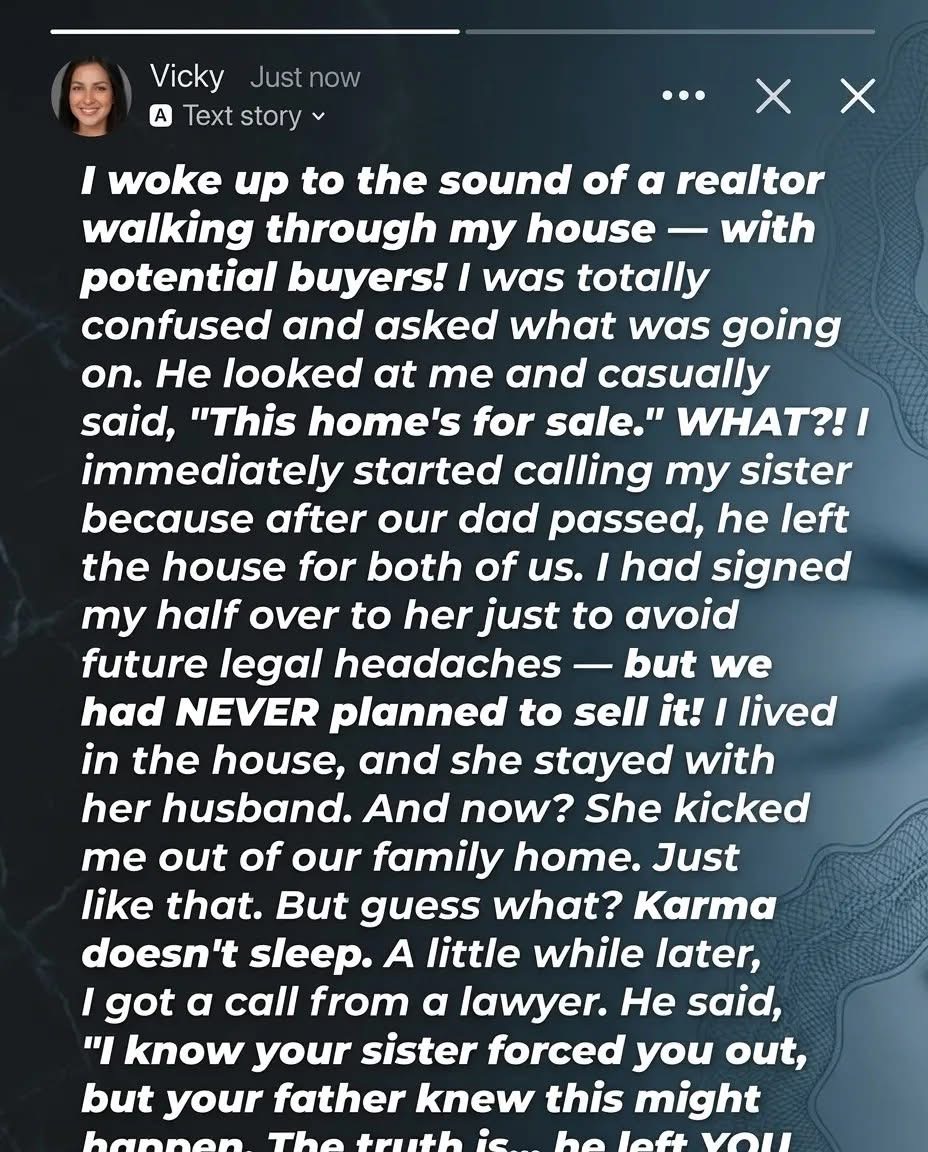
Two hours later, I locked the front door of my childhood home for what I thought was the last time.
I hadn’t just packed clothes. I’d taken photos off the walls, grabbed Dad’s old watch from his nightstand, and carefully wrapped Mom’s china teacup that Dad had always kept by his bed.
The realtor had returned with two more couples by then. He gave me a sympathetic nod as I dragged my suitcase past the strangers who were evaluating the floors I’d learned to walk on.
“It’s just temporary,” I assured my friend Rachel as she helped me carry my bags into her apartment.
“I’ll find my own place as soon as possible.”
“Stay as long as you need,” she insisted. “What your sister did was awful.”
But the truth was, I had no real plan. My entry-level marketing job barely covered my car payment and student loans.
I had less than two thousand dollars in savings, and it was nowhere near enough for first and last month’s rent plus security deposit in our area.
And Alicia? She went silent. No calls, no texts, not even to check if I had a place to sleep.
The sister who once brought me soup when I had a cold couldn’t be bothered to make sure I wasn’t homeless.
I went to work, smiled at customers, created social media posts about financial responsibility, and tried not to think about how my own family had betrayed me for a quick profit.
A week passed. Rachel was gracious, but her one-bedroom apartment wasn’t meant for two adults. I was sleeping on an air mattress in her living room, trying to keep my belongings organized in neat piles against the wall.
Then, on Friday afternoon, my phone rang with a number I didn’t recognize.
“Is this Amelia?” a formal voice asked when I answered.
“Yes, speaking.”
“This is Timothy, your father’s attorney.
I understand there’s been a situation with the family home.”
My throat tightened. “How did you know about that?”
“Your father was concerned something like this might happen,” he said. “He asked me to wait a month after his passing before contacting you, but given the circumstances, I think we should meet sooner.
Are you available this evening?”
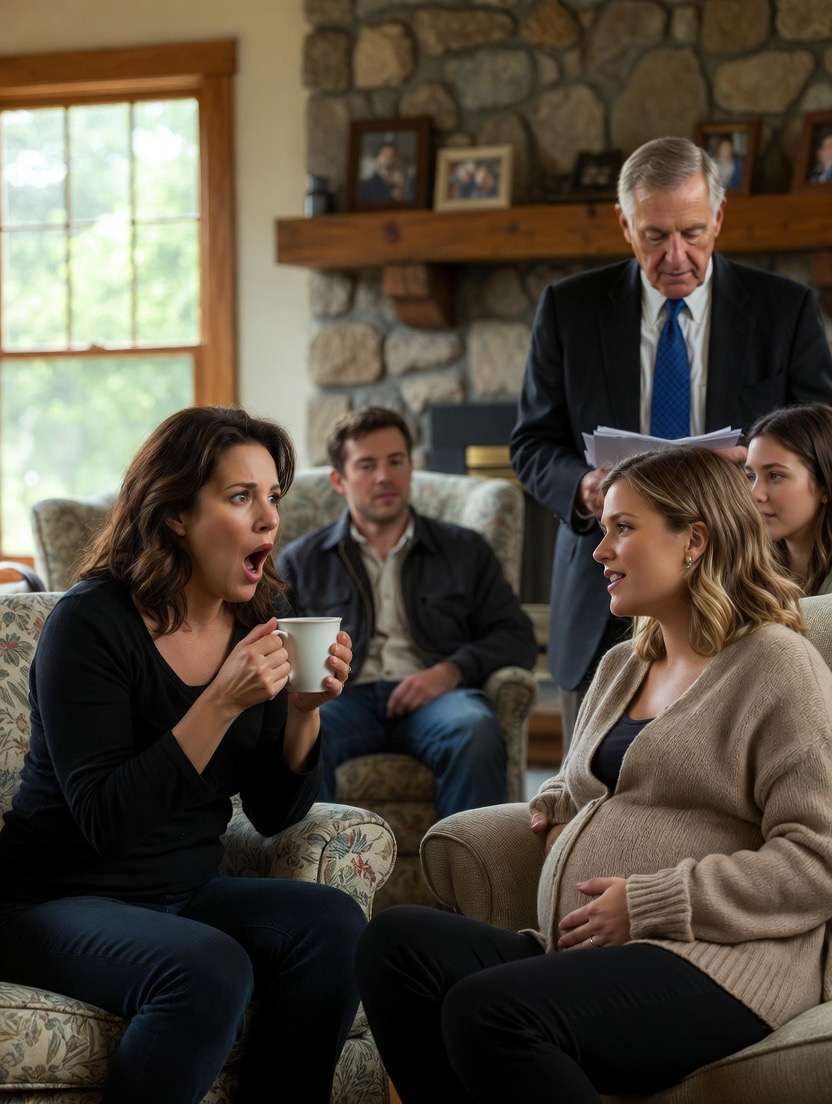
Five hours later, I sat across from Mr. Timothy in his office as he slid a folder across his desk.
“Your father amended his will six months ago, after his diagnosis,” he explained. “The house he left to both you and your sister, as you know.
But his savings, all $300,000 of it, he left solely to you, with specific instructions that this information be withheld for one month after his death.”
I stared at the document, unable to process what I was seeing. “I don’t understand. Why keep it secret?”
Mr.
Galloway removed his glasses. “Your father said, and I quote: ‘Alicia has always looked out for herself first. I love her, but I know her.
The house will test her true character. I want Amelia protected after I’m gone.’”
Tears welled in my eyes as I ran my fingers over Dad’s signature. Even from beyond, he was still taking care of me.
“He knew,” I whispered.
“He knew she would do this.”
“Your father was a perceptive man,” Mr. Galloway said gently. “The funds are already in an account in your name.
Here’s the information you’ll need to access it.”
Walking out of that office, I looked up at the evening sky.
“Thank you, Dad,” I said, imagining him somewhere up there, watching over me. “I wish you were here, but I’m going to be okay. I promise.”
I didn’t tell Alicia about the money.
When she texted two days later, it was only to say the sale was moving forward and she’d transfer my “half” once it closed.
I replied with a simple “Okay” and left it at that.
The story doesn’t end there, though.
Three days later, Rachel and I were having dinner when my phone lit up with Alicia’s name.
“The house is gone,” she said, her voice hollow when I answered.
“What do you mean, ‘gone’?” I asked.
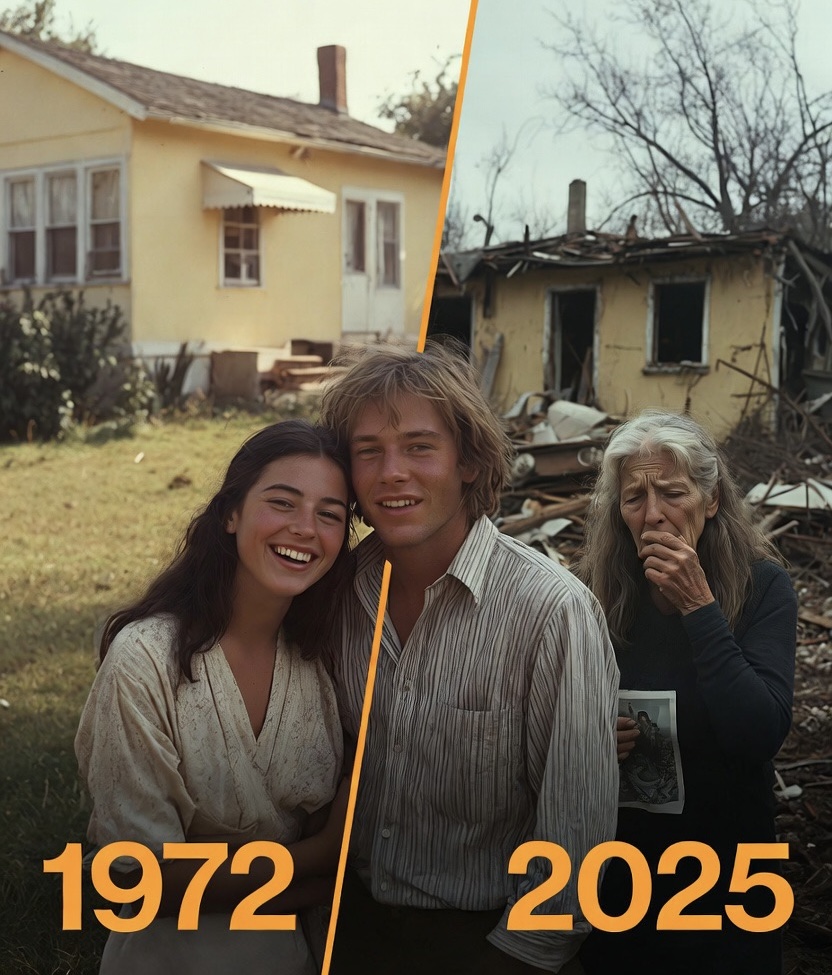
“There was a fire. I stopped by to clean up some things and apparently left the gas stove on. By the time the fire department arrived, it was too late.
The whole place is destroyed, down to the foundation.”
I sat in stunned silence, picturing our blue house with the crooked mailbox engulfed in flames.
“The buyers pulled out,” she continued. “The insurance won’t cover nearly what the sale price would have been. It’s all gone, Amelia.
Everything.”
I should have felt vindicated. Some might call it karma. My sister’s greed had cost her everything she’d tried to gain.
But instead, I felt an unexpected wave of sadness.
It wasn’t for the house itself, but for what it represented.
The last physical connection to our shared childhood was gone.
“I’m sorry,” I said, surprising myself with how much I meant it.
“You’re sorry?” Alicia’s voice cracked. “After what I did to you?”
“The house is just a building,” I said. “The memories are still here.
And Dad is still in them. No fire can take that away.”
There was a long pause before Alicia spoke again. “I really messed up, didn’t I?”
“Yeah,” I agreed.
“You did.”
Two weeks later, I signed a lease on a small apartment not far from my office.
As I arranged Dad’s watch on my new nightstand and hung family photos on freshly painted walls, I thought about what I’d learned.
Dad was right that blood is thicker than water. But he forgot to mention that trust is the foundation upon which family is built.
And once cracked, it takes more than shared DNA to repair it.
Alicia and I are talking again, slowly. She doesn’t know about Dad’s savings, and I’m not sure when or if I’ll tell her.
Some lessons need to be learned the hard way.