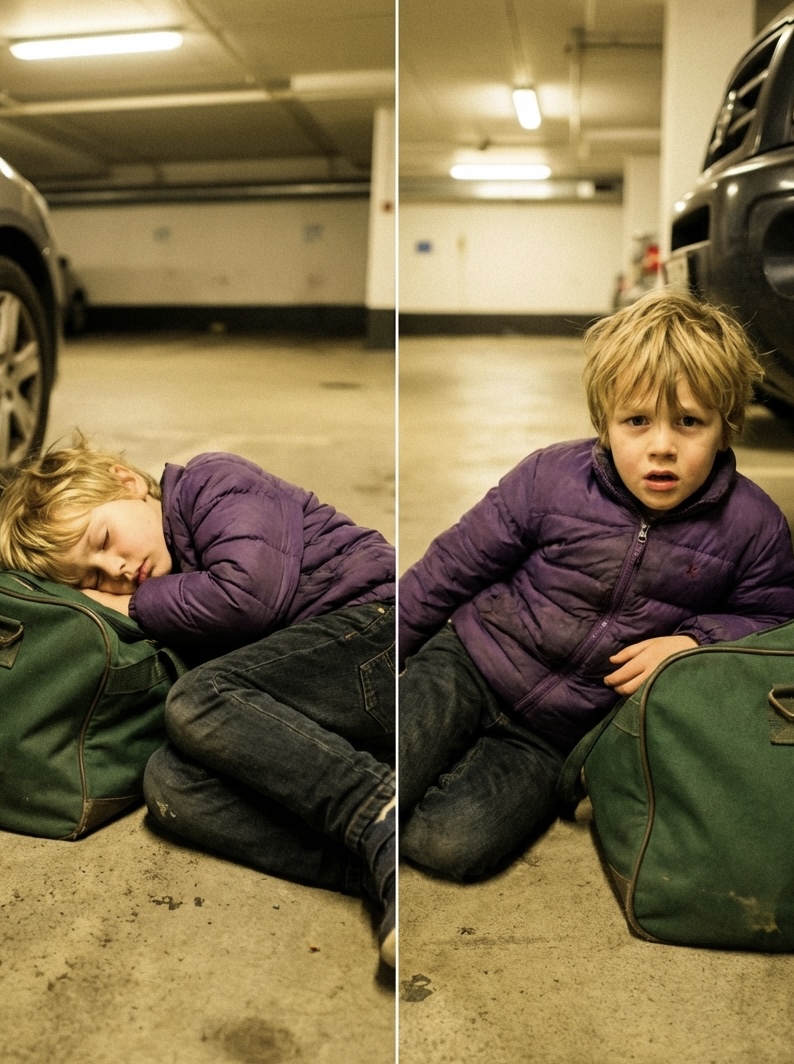
No student of mine is sleeping in a parking garage.”
That night, I made him soup and grilled cheese sandwiches. It was the simplest meal I knew, but the way he devoured it made it feel like I’d served a feast. I gave him clean clothes and warm blankets.
He took a hot shower that lasted 30 minutes, and when he came out, he looked more like the Ethan I remembered. His hair was damp, his skin pink from the heat, and for the first time in weeks, there was a trace of ease in his shoulders. He fell asleep on my couch, and I sat in my armchair watching him, knowing that everything had just changed.
The next morning, Ethan tried to convince me it was just a temporary thing, that he could handle it on his own. But I’d already made up my mind. No child should have to choose between sleeping on concrete or staying in an unsafe home.
Getting legal guardianship wasn’t simple. There were court hearings, social workers, and endless paperwork. Ethan’s father, Mr.
Walker, fought me every step of the way. Not because he loved his son or wanted him back, but because his pride couldn’t handle the idea that a teacher was “stealing” his child. The first court hearing was brutal.
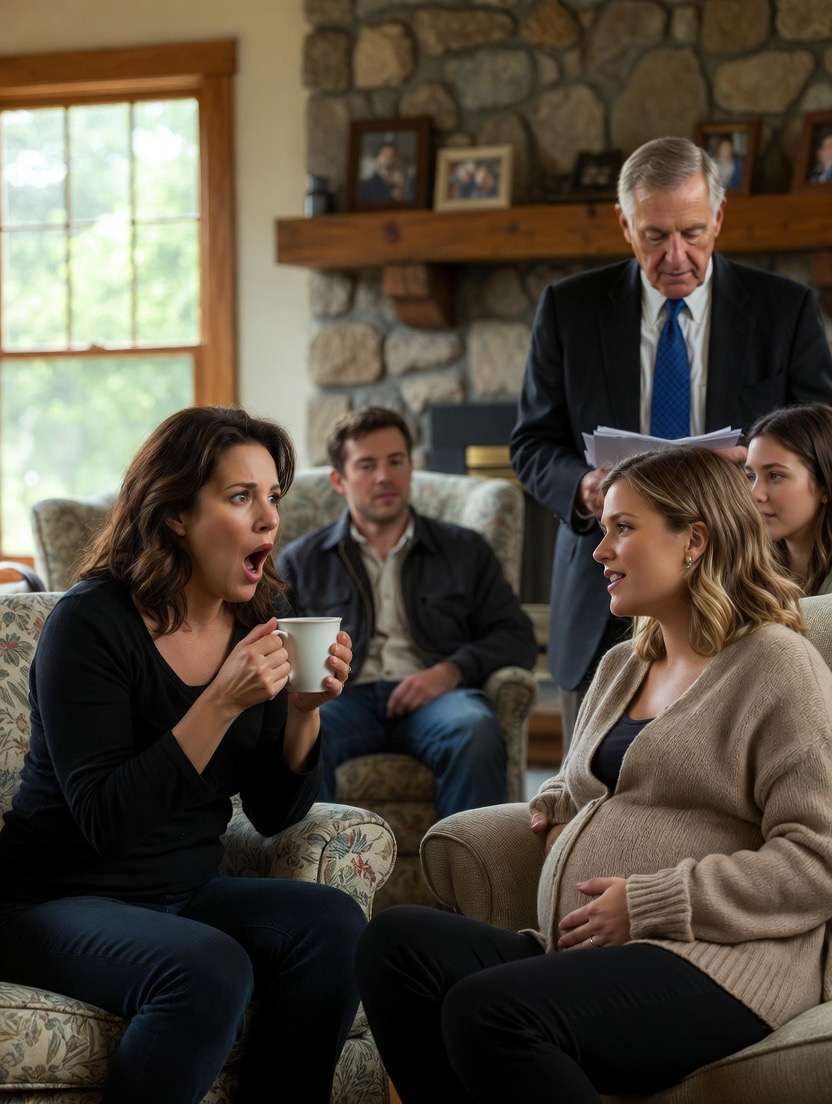
Mr. Walker showed up smelling like whiskey at ten in the morning, his wife beside him in a sparkly dress that was completely inappropriate for court. She kept checking her phone and rolling her eyes whenever anyone mentioned Ethan’s well-being.
“You think you can just take my boy away from me?” Mr. Walker slurred, pointing an unsteady finger at me. “I’ve been raising him just fine.”
When Ethan testified about his home life, his voice shook, but he didn’t back down.
“They don’t care about me,” he said clearly. “My stepmother calls me trash and tells me I’m worthless. And my dad doesn’t care about me.
They bring strangers over who party until 3 a.m. I can’t study. I can’t sleep.
I don’t feel safe there.”
The judge looked disgusted as she listened to the details. When she granted me temporary guardianship, Mrs. Walker actually laughed out loud and muttered something about “good riddance.”
Six months later, the guardianship became permanent.
Watching Ethan flourish in my home was like watching a flower bloom after a long drought. He started sleeping through the night, his grades shot back up to straight A’s, and he entered science competitions and won scholarship after scholarship. We’d sit at my kitchen table in the evenings, him working on physics problems while I graded papers.
Sometimes he’d call me “Mom” by accident, then blush and apologize. I never corrected him. Three years later, Ethan graduated as valedictorian and earned a full scholarship to study astrophysics at a prestigious university.
His research on dark matter was already getting attention from professors who normally ignored undergraduate work. At his university honors ceremony, I sat in the audience wearing my best dress, feeling prouder than I’d ever felt in my life. Mr.
and Mrs. Walker were there too, somehow managing to look sober and respectable for the cameras. When Ethan received his medal for academic excellence, he surprised everyone by asking for the microphone.
“I need to tell you all something,” he said. “I wouldn’t be standing here today without one person. Not my biological father, who spent most of my childhood drunk.
Not my stepmother, who made it clear I wasn’t wanted. The person who saved my life is sitting in the third row.”
He looked directly at me. “Ms.
Carter found me sleeping in a parking garage when I was in high school. She could have walked away, but she didn’t. She took me in, fought for me in court, and became the mother I never had.”
He walked off the stage and placed his medal around my neck.
“This belongs to you, Mom.”
The entire auditorium erupted in applause. People were crying, including me. Meanwhile, Mr.
Walker’s face was red with embarrassment, and his wife was already heading for the exit. But Ethan wasn’t finished. “I’m starting a foundation for kids like I was,” he announced.
“Kids who fall through the cracks and don’t have safe homes. And I want everyone here to know something else.”
He took my hand and squeezed it. “I legally changed my name last month.
I’m proud to carry the name of the woman who saved my life.”
As hundreds of strangers rose to their feet, cheering for us both, I realized that my story wasn’t the quiet, childless ending I’d expected. At 53, I’d finally become a mother to the child who needed me most. Sometimes family isn’t about blood.
Sometimes it’s about choice, love, and showing up when someone needs you most.