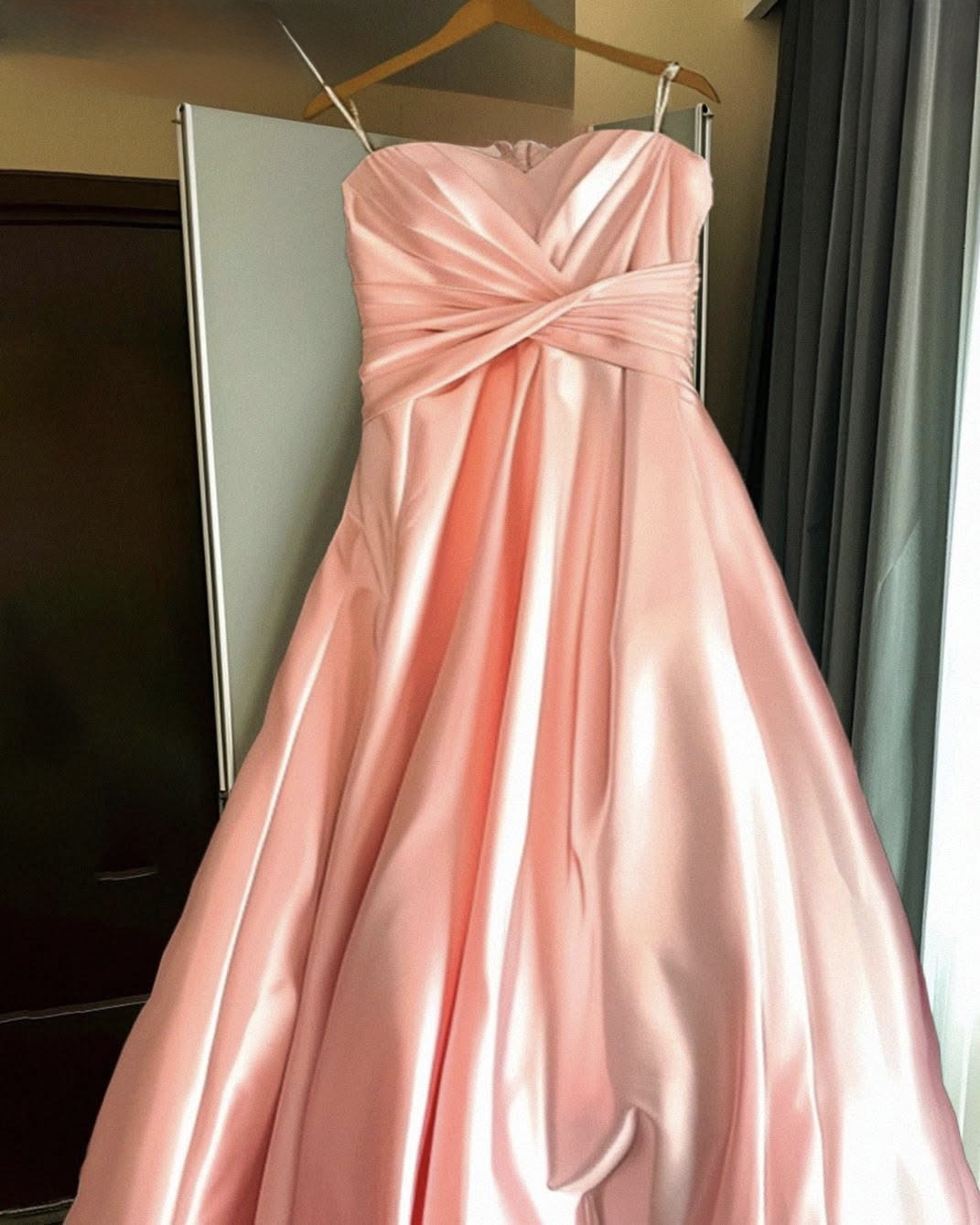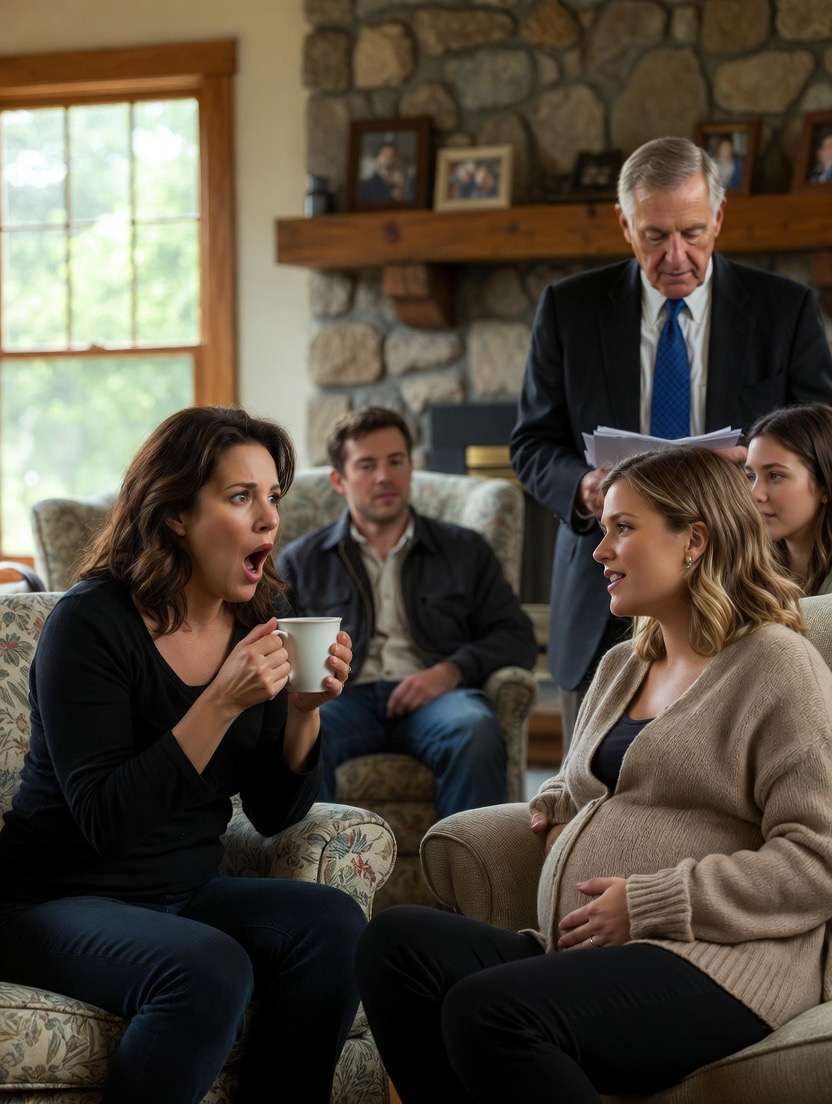
She stood in the doorway of my childhood bedroom, holding a pale blue dress on a wooden hanger. It was expensive, soft, shapeless silk—the kind of dress designed to make a woman disappear politely.
“The military is embarrassing, Victoria,” she whispered, nervous and sharp. “Just this once.
Blend in.”
I had flown across the country for my younger brother Wes’s wedding. I had spent years swallowing my pride around my family. But standing there barefoot on the old floral rug, I finally understood something I had tried not to admit.
My mother had no idea who would be in that ballroom tonight.
And neither did I.
To understand what happened later, you need to understand the life that brought me there.
My apartment near base could fit into one military duffel.
Boots by the door. Black coffee. Early nights.
The Marines under my command knew me better than my own relatives ever had. We had shared cold meals, long watches, fear, grief, and survival. They were the closest thing to family I trusted.
The Meyers family was different.
I was the oldest daughter, the difficult one, the one who left at eighteen and came back changed in ways they refused to respect. My role was simple: help, stay quiet, carry the bags, keep the peace, and never embarrass anyone.
When Mom called about Wes’s wedding, I agreed before she even finished asking. I booked the flight, pressed my dress blues, and told myself the plan was easy: attend, make a safe toast, survive the evening, leave before morning.
I can handle danger.
I can stay calm under pressure. But my mother’s disappointment could still shrink me faster than anything else.
For years, she had treated my military career like a phase. When I enlisted, she told people I was “taking time to find myself.” When I earned my commission, she skipped the ceremony for a charity lunch.
When I became Captain, she changed the subject to someone’s kitchen remodel.
Eventually, I stopped trying to explain my life.
Wes, meanwhile, was the golden son. Finance job. Fancy watch.
Luxury car. Easy to present. When he got engaged to Sloan Whitfield, my mother cried like the family had been promoted into royalty.
The Whitfields were old money.
Quiet money. Library-wing, foundation-gala, ancestral-portrait money. To my mother, this wedding was not just a marriage.
It was elevation.
My job was to show up, smile, and vanish.
But Sloan surprised me. On our only phone call, she asked about my deployments and actually listened.
“I’m glad Wes has a sister like you,” she said sincerely.
I didn’t know what to do with that.
Now my mother was asking me to trade my uniform for a dress that looked like surrender.
I told her I needed to think. She squeezed my wrist without warmth and left.
I sat on the bed and reached into the inner pocket of my uniform jacket.
My fingers closed around a worn bronze challenge coin.
It had belonged to Lance Corporal Danny Brennan.
Nineteen years old. Kind. Brave.
Always carrying candy for local kids. He had pressed the coin into my palm before a mission and told me to carry it for luck.
Three days later, he did not come home.
That coin was how I carried him with me.
Then my phone buzzed.
It was a screenshot from Aunt Diane.
A family group chat called Wedding Logistics.
Everyone was in it.
Everyone except me.
My mother had written:
Please make sure no one encourages Tori to wear the uniform. The Whitfields are extremely refined and it would be humiliating.
Seat her at Table Nine, near the kitchen doors, away from the head table. The military is an embarrassment and I will not have her turning Wes’s wedding into a parade.
My cousin had reacted with laughing emojis.
Wes had replied with one word:
Fine.
But the worst part was my father.
He had read it.
And said nothing.
For years, I had told myself they simply didn’t understand. That my mother was insecure.
That my father was just trying to keep the peace.
But that screenshot ended the lie.
They understood exactly who I was.
They just wished I were someone else.
When my mother called my life embarrassing, she was not just insulting my career. She was insulting every person who had stood beside me, including the ones who never made it home.
I stood, placed the blue dress over a chair, zipped my uniform bag, and headed for the estate.
I did not plan to ruin Wes’s wedding.
I only planned to stop disappearing.
The ceremony was beautiful. Out of respect for Wes and Sloan, I wore a simple civilian dress and sat quietly in the back.
This hour belonged to them, not to my family’s cruelty.
When Wes said his vows, I cried.
That is the painful math of family. Someone can fail you deeply, and you can still love them.
But when the ceremony ended and the guests moved toward the reception hall, the ceasefire ended too.
I slipped into a side room, locked the door, and changed.
Off came the civilian disguise.
On went the dark blue trousers.
The heavy jacket.
The high collar.
The white gloves.
The medals.
Finally, I pinned the Silver Star above my heart.
In the mirror, I no longer looked like the daughter they wanted to hide.
I looked like the truth.
Just as I reached for the door, my mother burst in.
The moment she saw the uniform, her face went pale.
“What are you doing?” she hissed. “Victoria, I laid out the dress for you.”
“I thought about it,” I said.
“I’m attending my brother’s reception in my dress blues. I’ll sit quietly. I won’t make a scene.”
She stepped toward me, panicked.
“These are refined people.
You do not get to turn this evening into a parade. Just once, hide it.”
I looked at her calmly.
“Mom,” I said, “I am not the embarrassing one.”
Then I walked past her and opened the ballroom doors.
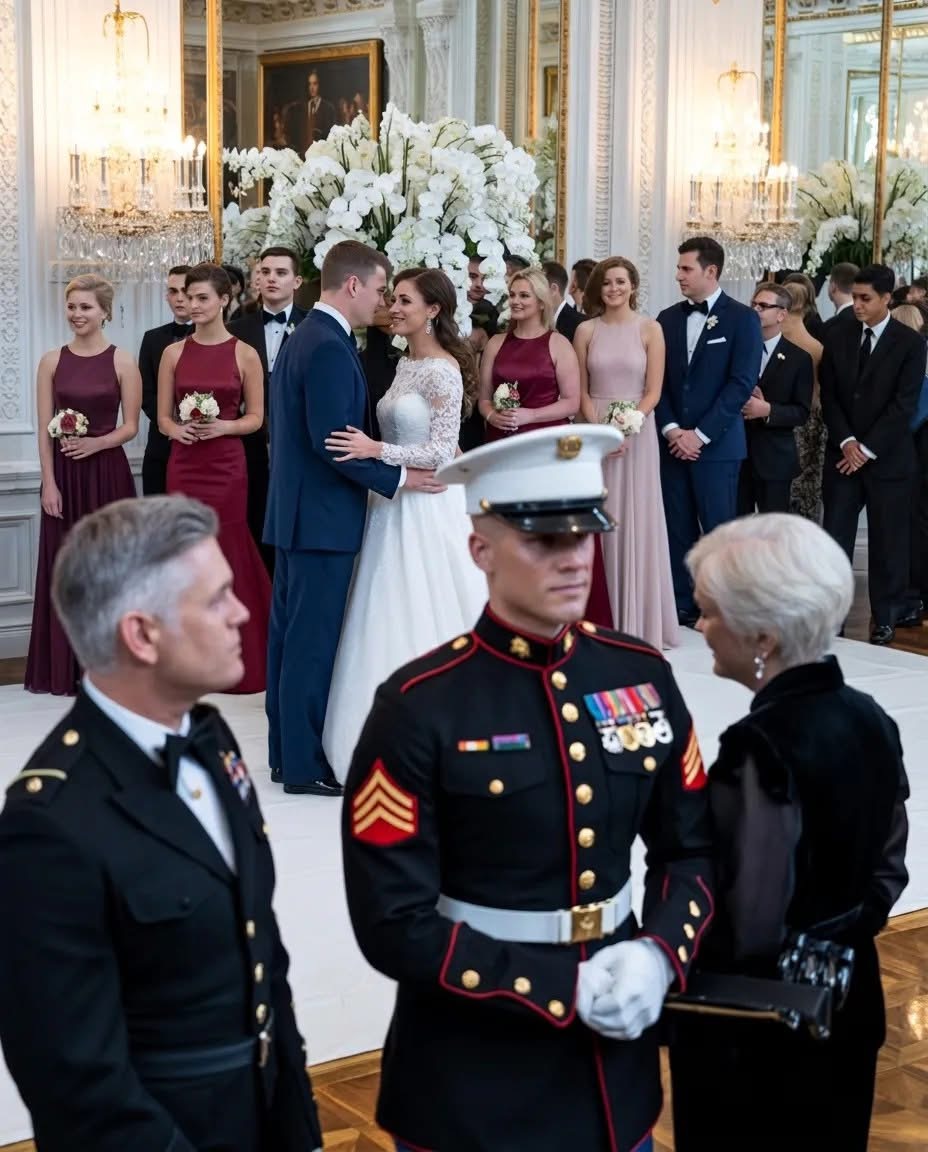
The room was stunning—chandeliers, polished floors, arched windows, soft music, expensive gowns, black tuxedos.
My assigned table was near the kitchen doors, far from the head table.
For one second, old instinct whispered: stay small.
Then I felt the weight of the medals on my chest.
I straightened and walked forward.
The silence began slowly.
One guest stopped talking. Then another.
Then whole tables turned.
The music faltered.
One hundred and fifty people stared.
My mother stood frozen near a pillar. Wes half rose from his seat, confused and pale.
Then an elderly man near the head table stood.
He was tall, straight-backed, with steel-gray hair and the presence of someone who had once given orders people obeyed instantly.
Later, I learned his name was Sergeant Major Frank Holloway.
He looked directly at the medal on my chest.
Then his glass hit the table with a sharp sound.
He snapped to attention.
“Silver Star on the deck!”
His voice filled the ballroom.
Then he saluted.
The room shifted.
I froze.
I could handle danger.
I was not prepared for respect.
I returned his salute, my throat burning.
Then chairs scraped across the room.
One by one, veterans stood.
Twelve of them.
Some saluted. Some simply stood at attention.
But the message was clear.
We see you.
We know what it cost.
You belong here.
My mother gasped.
She had spent the weekend trying to hide the very thing this room honored.
Then Gerald Whitfield, Sloan’s father, walked toward me.
He took my gloved hand in both of his.
“Captain Meyers,” he said, voice thick with emotion, “we are honored to have you here.”
Then he turned to the guests.
“My father served two brutal tours in the infantry,” he said. “He built this family on one rule: never forget the people whose sacrifice allows us to stand in rooms like this.”
My mother suddenly rushed forward, smiling too brightly.
“We are so proud of her,” she announced. “Our Tori always makes us proud.”
She reached for my arm.
I stepped back.
“You spent this whole weekend afraid I would humiliate you,” I said quietly, though everyone heard.
“You put me at Table Nine. You called my life an embarrassment. And these are the people you wanted to impress.
They just stood up for the exact thing you tried to hide.”
Her face collapsed.
No one rescued her.
I reached into my jacket and pulled out Danny’s coin.
“This coin does not belong to me alone,” I said to the room. “There were four of us in that vehicle. Three came home.
Danny Brennan did not.”
The ballroom went still.
“He was nineteen. He gave me this for luck and told me to carry it. So I do.