
Oxygen is essential for sustaining life, playing a critical role in powering every cell and organ in the body. When blood oxygen levels fall—a condition known as hypoxemia—it disrupts this vital process and can lead to serious health problems. Early detection and understanding of low oxygen levels are key to maintaining good health and preventing complications.
Hypoxemia arises when the blood contains insufficient oxygen, impairing bodily functions. It may be triggered by chronic respiratory conditions like asthma, COPD, and pneumonia. Other contributors include smoking, which diminishes oxygen transport efficiency, and sleep apnea, which causes periodic breathing interruptions. Stress, poor diet high in sugar, and nutrient deficiencies—especially in iron, B vitamins, and vitamin C—also reduce oxygen delivery to cells.
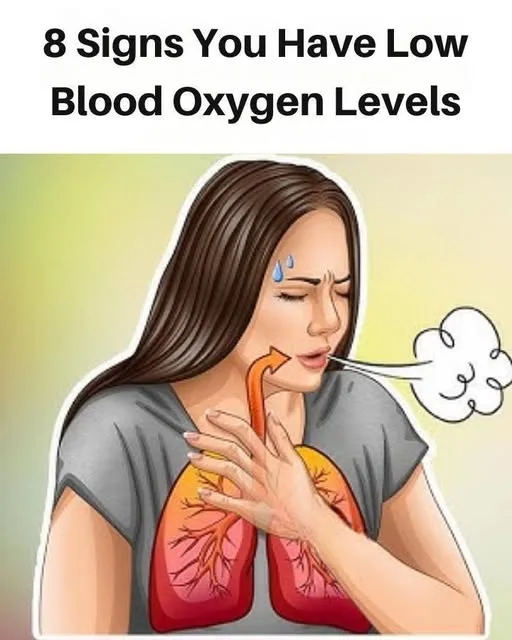
Several symptoms may signal low blood oxygen levels. These include shortness of breath, dizziness, rapid heartbeat, and muscle cramps. Additional signs are heavy legs when climbing stairs, brittle nails, bluish skin (cyanosis), and mental fog or fatigue. These symptoms reflect the body’s struggle to receive or transport enough oxygen, often exacerbated by nutritional deficits or poor lifestyle habits.
Improving blood oxygen levels involves both dietary and lifestyle changes. Eating heme iron-rich foods like liver and seafood supports red blood cell function. Reducing processed sugar intake helps balance blood pH. Foods high in vitamin E, such as avocados and nuts, promote circulation. Spending time outdoors and staying hydrated, along with eating antioxidant-rich berries, enhance oxygenation and overall vitality.
Practicing deep breathing exercises can further improve oxygen intake and reduce stress. If symptoms of hypoxemia persist, it’s important to seek medical advice. A pulse oximeter can assess oxygen levels, with readings below 92% requiring professional evaluation. Combining lifestyle adjustments with timely medical care ensures better oxygen circulation and supports long-term health.